
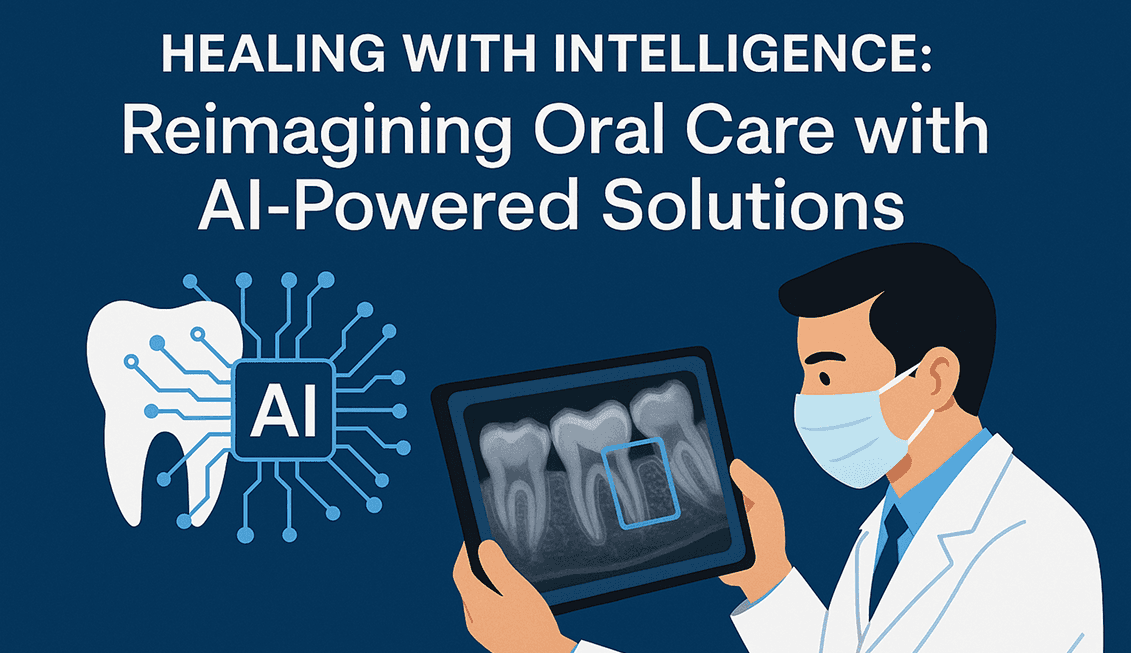
In the quiet hum of a modern dental clinic, a revolution is unfolding, not with new drills or brighter lights, but with a silent, intelligent partner: Stoma.AI; The story of AI in dentistry is one of profound transformation, moving from reactive treatment to proactive, precise, and personalized care. It's a narrative where technology empowers healing, ensuring healthier smiles and deeper trust between dentist and patients.
The Diagnostic Leap: Beyond the Visible
For decades, dental diagnosis has relied on the trained eye of the clinician, tactile examination, and the interpretation of two-dimensional X-rays. While invaluable, these methods inherently have limitations, especially when it comes to detecting conditions in their earliest, most treatable stages. This is where AI steps in, offering a diagnostic leap that extends beyond what's immediately visible or easily discernible. AI algorithms, trained on vast datasets of dental images and patient records, possess an unparalleled ability to identify subtle anomalies and patterns that human perception might have missed.
Early Detection of Periodontal Conditions
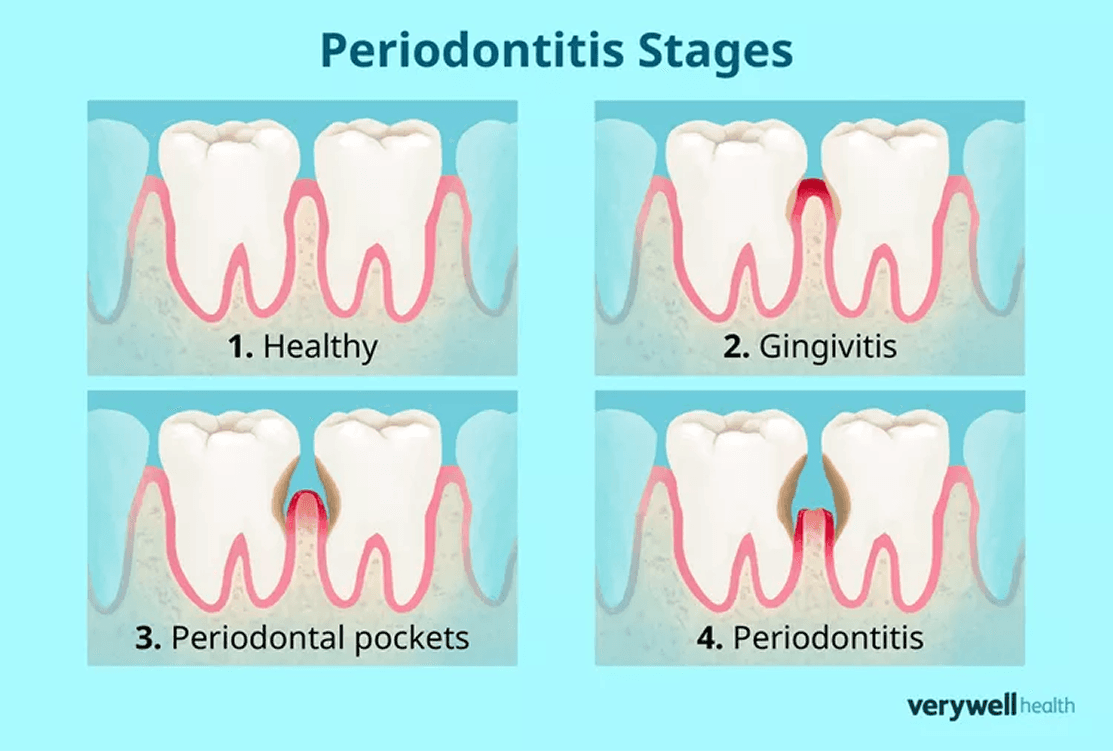
One of the most significant impacts of AI is in the early finding of periodontal conditions. Gum disease, if left unchecked, can lead to severe bone loss, tooth mobility, and eventually tooth loss. Traditional diagnosis of periodontitis often relies on probing depths and visual signs of inflammation, but early bone loss, a critical indicator, can be challenging to spot on conventional radiographs. AI systems can meticulously analyze dental radiographs, detecting minute changes in bone density, subtle crestal bone loss, and early signs of widening periodontal ligament spaces. They can quantify bone levels with greater consistency and highlight suspicious areas for the dentist's immediate attention. This early identification allows for timely, non-invasive interventions like enhanced oral hygiene protocols, targeted scaling, and root planing, preventing the progression to more destructive stages.
Uncovering Other Dental Conditions
Beyond periodontal health, AI's diagnostic prowess extends to a spectrum of other dental conditions:
- Dental Caries: As discussed previously, AI excels at identifying incipient caries (early tooth decay) by analyzing subtle demineralization patterns on X-rays. This means smaller, less invasive fillings or even remineralization therapies can be employed.
- Periapical Lesions: AI can detect subtle changes around the root tips of teeth, indicating periapical lesions (infections at the end of the root) that might be overlooked in their nascent stages, allowing for earlier root canal treatment or other interventions.
- Root Resorption: The often-subtle process of root resorption, where the tooth root structure is lost, can be identified by AI, enabling timely management.
- Cracks and Fractures: AI can assist in identifying hairline cracks or fractures in teeth that are notoriously difficult to diagnose, preventing further damage and pain.
Empowering Patients and Transforming Practices
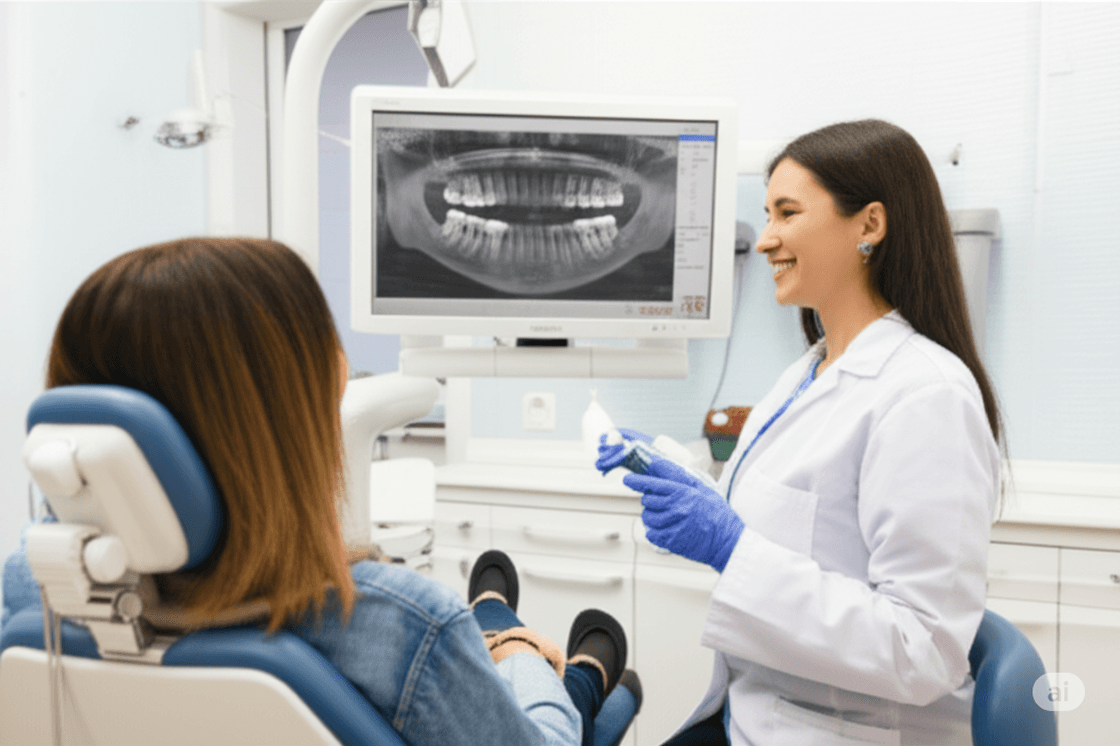
The intelligence that AI brings to diagnosis isnt just about technical accuracy; it's about empowering patients. When a dentist can show a patient an AI-highlighted area on their X-ray, explaining the early signs of a condition, it fosters deeper understanding and trust. Patients become more engaged in their treatment decisions, leading to higher acceptance rates for preventive and early-stage interventions.
For dental practices, this translates into enhanced efficiency, reduced diagnostic ambiguity, and the ability to offer truly proactive care. Dentists can focus more on patient interaction and treatment, knowing that their AI assistant is meticulously reviewing every detail. This leads to improved patient outcomes, a stronger reputation for cutting-edge care, and sustainable practice growth.
Key Points for Readers:
- AI enhances early detection: Spotting issues like gum disease and tiny cavities far sooner than traditional methods.
- Less invasive treatments: Early diagnosis means simpler, more comfortable, and often less costly interventions.
- Improved patient understanding: Visual AI insights help patients grasp their oral health status and treatment needs.
- Increased diagnostic confidence: Dentists gain an intelligent partner for more accurate and consistent diagnoses.
- Proactive, not reactive care: Shifting the focus to preventing major problems before they arise.
The story of AI in dentistry is just beginning, but its impact on healing and intelligence is already undeniable, shaping a future where optimal oral health is more accessible and achievable for everyone.